
Skip to content

(217) 626-5123Free pest control referral line, independent service. How it works

Illinois Pest Control

Cockroach Control in Illinois

Roaches scattering when you turn on the kitchen light, droppings under the sink, or a musty smell in the cabinets. Here's what attracts cockroaches and what professional control involves.

Free referral anywhere in Illinois — Call (217) 626-5123

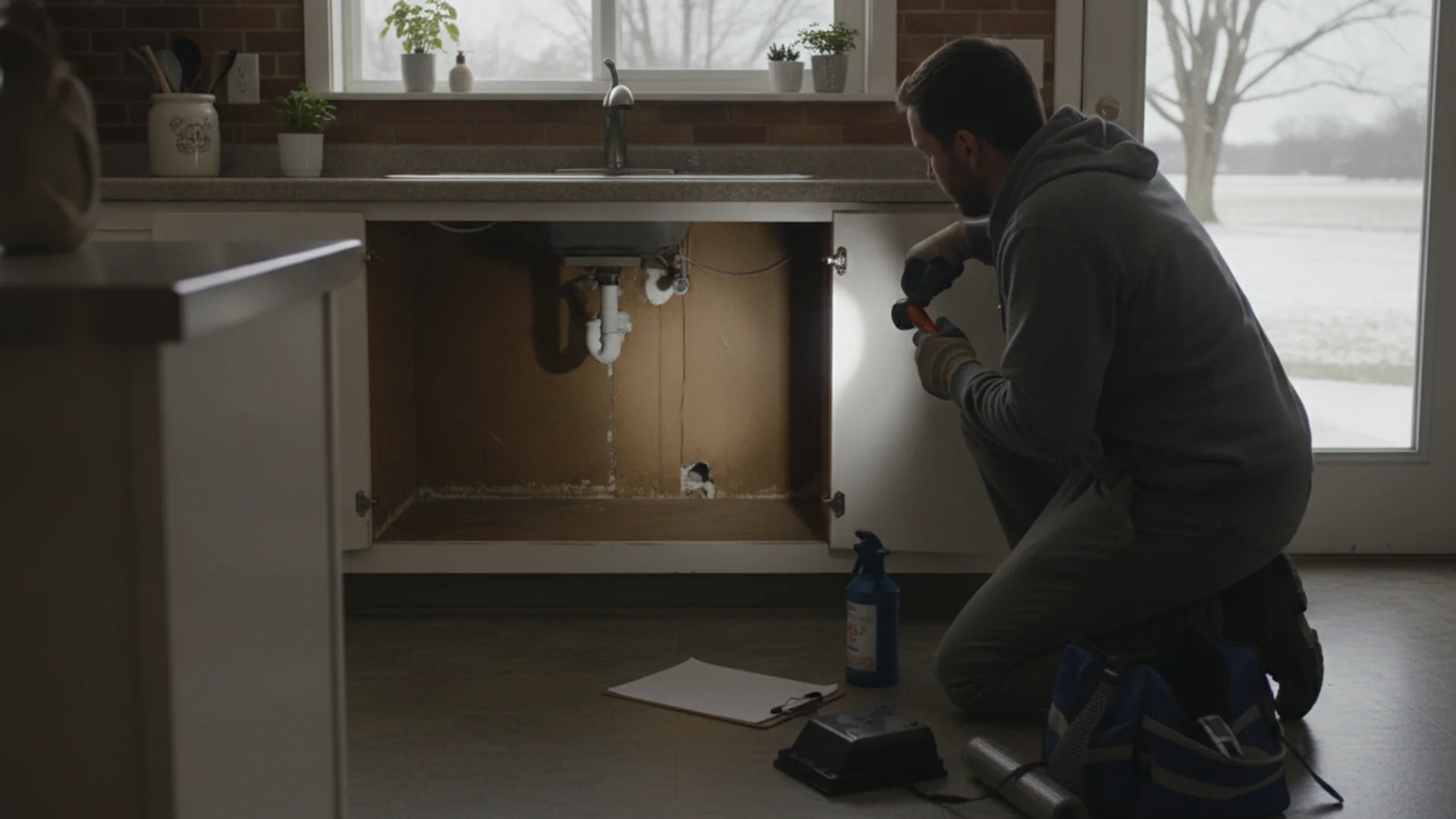
Pest control professional inspecting under a kitchen sink with a flashlight in an Illinois apartment

Free referral · No obligation

Get Help With Cockroaches

Call to be connected with a participating independent pest control professional who serves your area. No obligation to hire.

Last updated: 2026-10-11

Illinois Pest Control is an independent referral service that connects Illinois homeowners, renters, and businesses with participating providers for cockroach control. In Illinois kitchens, the usual culprit is the German cockroach.

The German cockroach

The Illinois Department of Public Health calls the German cockroach by far the most common roach in kitchens: about half an inch long, bronze-colored, avoiding light, and hiding in cracks and crevices. IDPH notes the crevices behind kitchen drawers and beneath the sink are among their main hiding spots.

What attracts cockroaches

IDPH says German cockroaches prefer warm, moist places where they can feed on human and pet food and decaying matter. Without food and water, adults may die in about two weeks, but they can live on water alone for up to a month. That makes water as important as food: leaky pipes, wet sponges, and pet water bowls all count.

They often arrive in grocery bags, cardboard boxes, and used appliances, and in apartment buildings they travel between units through plumbing and wall voids.

Why cockroaches are a health concern

According to IDPH, fragments of cockroach exoskeletons and droppings act as allergens that can trigger allergic and asthmatic reactions when inhaled. That's a reason to address an infestation promptly, especially in homes with children or anyone with asthma.

Prevention

These steps reduce what cockroaches need:

  • Clean up food, crumbs, and grease; don't leave dishes or pet food out overnight.
  • Fix leaks and dry out sinks and tubs.
  • Store food in sealed containers and take out trash daily.
  • Reduce clutter, especially cardboard and paper bags.
  • Seal cracks behind sinks, around pipes, and along cabinets.

What professional cockroach control usually involves

A provider inspects to find where roaches are hiding, then typically uses targeted baits in cracks and crevices, sometimes with other treatments and monitoring traps, plus sanitation recommendations. German cockroach control usually takes follow-up visits. In apartment buildings, treating only one unit often isn't enough.

When to call about cockroaches

  • You see roaches during the day, which can mean a larger population.
  • You find droppings or egg cases under sinks or in cabinets.
  • Store-bought products haven't helped after a few weeks.
  • You live in an apartment and neighbors have roaches.
  • You run a food business, where roaches are a health code problem.

What cockroach control costs

HomeAdvisor's June 2026 data lists cockroach control at $100 to $600, with the average general pest control service at $172. Heavier infestations, apartments, and businesses that need follow-up visits cost more.

  • Severity of the infestation.
  • Number of follow-up visits needed.
  • Building type: multi-unit buildings may need several units treated.
  • Commercial kitchens often need ongoing service.
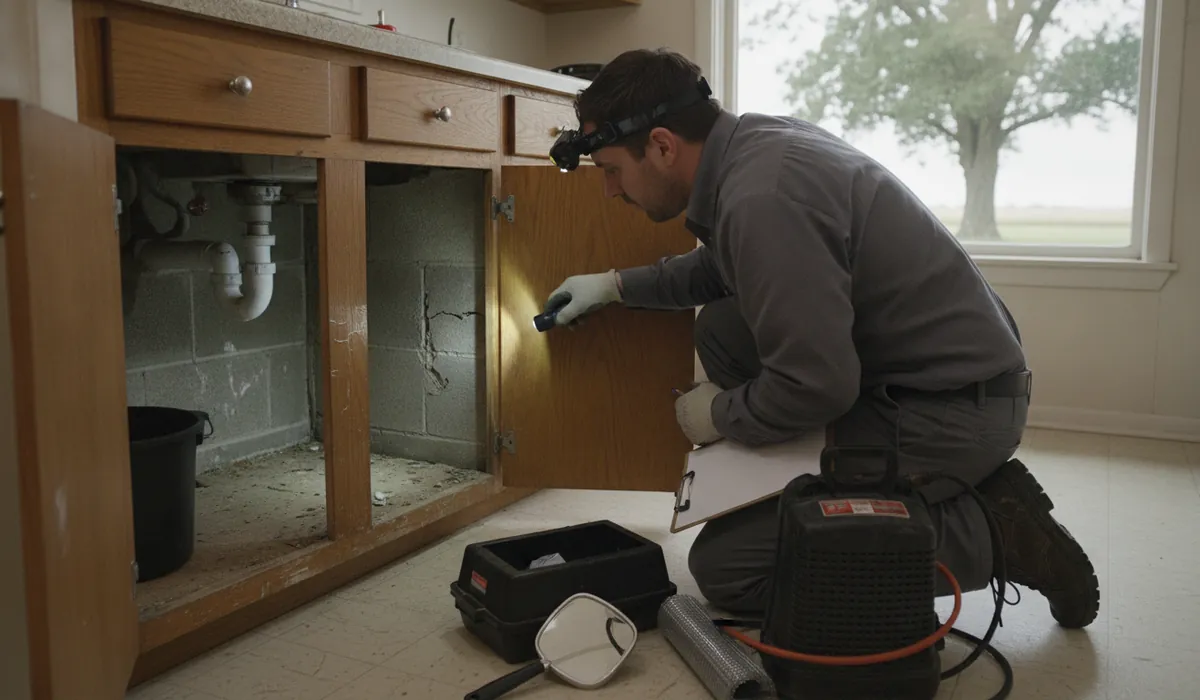
Technician placing gel bait in a crack behind kitchen cabinets

What you can do right now

  1. Clean up food and grease, and dry sinks overnight.
  2. Seal food and pet food in containers.
  3. Fix leaks under sinks.
  4. Avoid spraying repellents over areas a provider will bait.
  5. Call and describe where and when you see them.

Questions to ask before you hire

  • Is your business licensed by the Illinois Department of Public Health, and what is the license number? Who is the certified technician?
  • What species is it, and where do you think they're hiding?
  • Will you use baits, other treatments, or both?
  • How many follow-up visits are included?
  • In an apartment, will neighboring units need treatment too?

Related pest control guides

Straight answers

What you can do vs. when to call a professional

Prevention is mostly housekeeping and sealing gaps. Persistent, spreading, or structural problems are where a licensed professional earns the call.

What you are seeingWhat you can do nowWhen to call a professional
A few ants in the kitchenClean up food and crumbs, store food sealed, wipe the trail, fix leaksThey keep coming back, or you see large black ants near wood (possible carpenter ants)
Mouse droppings or gnawingStore food in sealed containers; look for gaps around pipes, doors, and ventsDroppings in several rooms, nests, noise in walls, or it continues after sealing
Winged insects swarming indoors in springSave a few in a sealed bag or photograph themAlways: swarmers indoors can mean termites. Get an inspection
Mud tubes on the foundationLeave them alone and photograph themAlways: these are a sign of subterranean termites
Bites, blood spots, or dark specks on beddingWash and dry bedding hot; do not move furniture to other roomsAlways: IDPH says an experienced professional is usually better than doing it yourself
Cockroaches seen in daylightRemove food and water sources; reduce clutterThey keep appearing, or you see them in daytime, which can mean a larger population

General guidance, not a diagnosis. Prevention approach follows theEPA Citizen's Guide to Pest Control and Pesticide Safety. If you use any pesticide yourself, follow the label exactly.

What to expect

What professional cockroach control usually involves

Every home and every pest problem is different. These are the stages most professional pest control follows.

  1. Inspection

    A pest control professional looks for the pest, the evidence (droppings, damage, trails, live insects), how it is getting in, and what is attracting it: food, water, clutter, or gaps in the building.

  2. A treatment plan and a price

    Ask for the plan, the products or methods involved, any preparation you need to do, and the price before work begins. Illinois requires the business to be licensed by the Illinois Department of Public Health (IDPH) and to employ a certified technician.

  3. Treatment and exclusion

    Depending on the pest, this can mean baits, traps, targeted applications, or sealing entry points (exclusion). The EPA recommends integrated pest management (IPM), which combines methods and puts prevention first.

  4. Follow-up and monitoring

    Many problems need more than one visit. Ask what follow-up is included, how results are checked, and what to do between visits.

  5. Prevention

    The provider should explain what will keep the problem from coming back: sealing gaps, fixing moisture, storing food, and reducing clutter. No treatment can guarantee pests never return.

How the referral works

How our contractor-matching service works

  1. You call the number on this site

    Have the address or ZIP code ready, plus what you are seeing: the pest, where, how long, and anything you have already tried.

  2. Your call is routed to a participating provider

    Your call is connected with a participating independent pest control professional who serves your area, if one is available. We do not send anyone ourselves.

  3. You deal with that provider directly

    The provider inspects, recommends a plan, quotes the price, and does any work you agree to under their own business name, IDPH license, and insurance. You decide whether to hire them; there is no obligation.

Good to know: availability and eligible services depend on which participating providers cover your ZIP code. Whoever you hire, ask for their IDPH business license number and check it with the IDPH Pest Control Business Search. Our hiring questions cover the rest.

Get Help With Cockroaches

Call and we will try to connect you with a participating independent pest control provider who serves your area.

Questions

Cockroach Control questions

How much does a roach exterminator cost in Illinois?

HomeAdvisor's June 2026 national data lists cockroach control at $100 to $600. Heavier infestations, apartments, and businesses needing several visits cost more.

What is the most common cockroach in Illinois homes?

The German cockroach. The Illinois Department of Public Health calls it by far the most common roach in kitchens: about half an inch long, bronze-colored, and hiding in cracks near food and water.

Can cockroaches cause asthma?

IDPH says fragments of cockroach exoskeletons and droppings act as allergens that can trigger allergic and asthmatic reactions when inhaled.

What attracts cockroaches into a home?

Food, water, and warm hiding places. IDPH notes German cockroaches can survive on water alone for up to a month, so fixing leaks matters as much as cleaning up food.

Call (217) 626-5123 · Pest Control Help